

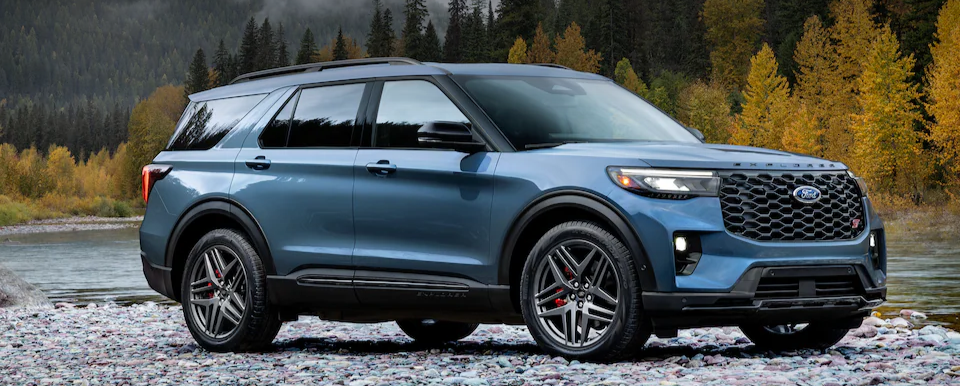
When it comes to exploring the great outdoors, especially our stunning national parks, having the right vehicle can make all the difference. The 2025 Ford Explorer is quickly becoming a favorite among adventure enthusiasts, and for good reasons. This versatile SUV offers the perfect blend of comfort, capability, and modern technology, making it an excellent choice for car camping and road trips to some of America’s most breathtaking national parks.
In this blog post, we’ll dive into why the 2025 Ford Explorer is a top pick for your car camping escapades, followed by a practical guide to traveling through four iconic national parks on your road trip: Crater Lake in Oregon, Redwood National Park in California, Lassen Volcanic National Park in Northern California, and Yosemite National Park in California’s Sierra Nevada.
Why the 2025 Ford Explorer is Ideal for Car Camping
1. Spacious Interior & Flexible Seating
Car camping means you often need to transform your vehicle into a cozy sleeping area or have plenty of room for camping gear, coolers, and outdoor equipment. The Ford Explorer’s three rows of seats can easily fold flat to create a spacious cargo area up to 87.8 cubic feet which is more than enough room for a full-size mattress or camping pads. Its configurable seating lets you prioritize passengers or cargo depending on your needs, giving you the freedom to pack everything you need without compromise.
2. Advanced Terrain Management & 4WD Capability
Exploring national parks often means venturing on rough, uneven roads or dirt trails. The 2025 Explorer offers an intelligent Terrain Management System with multiple drive modes (including Normal, Trail, Snow, Sand, and Tow/Haul), plus an available Intelligent 4WD system that adapts to changing conditions on the fly. This means you can confidently tackle muddy, rocky, or slippery paths with enhanced traction and stability.
3. Powerful and Efficient Performance
Under the hood, the Explorer offers multiple engine options, including a turbocharged 2.3-liter EcoBoost engine and a hybrid variant for those wanting to maximize fuel economy. Whether you’re hauling gear up steep mountain passes or cruising between parks, the Explorer balances power and efficiency to keep your road trip smooth and cost-effective.
4. Tech Features for Convenience & Safety
Modern car camping requires staying connected and safe. The Explorer includes the SYNC 4 infotainment system with a large touchscreen, wireless Apple CarPlay and Android Auto, multiple USB ports, and an available 10.1-inch digital instrument cluster. Safety features like Ford Co-Pilot360 offer adaptive cruise control, blind-spot monitoring, and lane-keeping assist perfect for long highway drives or navigating narrow forest roads.
5. Comfort & Amenities for Long Trips
Long hours on the road can be tiring. The Explorer offers heated and ventilated seats, tri-zone climate control, and a panoramic moonroof to keep passengers comfortable and engaged. Plus, the available premium sound system makes those road trip playlists or podcasts even better.
6. Practical Storage Solutions
For car campers, every inch of storage counts. The Explorer features multiple storage compartments, a hands-free power liftgate for easy access to the rear cargo area, and roof rails for extra gear like kayaks or rooftop tents.
Road Trip Guide: National Parks to Explore in Your 2025 Ford Explorer
Now that you know why the Explorer is the perfect car camping vehicle, let’s explore a road trip route that includes some of the West Coast’s most awe-inspiring national parks.
1. Crater Lake National Park, Oregon
Why Visit:
Crater Lake is famous for its deep blue water, clarity, and the stunning volcanic caldera. It’s the deepest lake in the U.S., formed by the collapse of Mount Mazama over 7,700 years ago.
Travel Tips:
From Portland or Eugene, Oregon, the Explorer’s capable drivetrain will handle the winding mountain roads leading to the park. The Rim Drive offers spectacular views but can be closed in winter, so check conditions ahead. Car camping options include the Mazama Village Campground, which is a short drive from the rim and perfect for setting up base.
2. Redwood National Park, California
Why Visit:
Home to the tallest trees on Earth, Redwood National Park’s towering ancient giants offer a humbling and magical experience. Beyond the trees, the park features pristine coastline, rivers, and diverse wildlife.
Travel Tips:
Driving south from Crater Lake, the Explorer’s all-wheel drive system will be handy navigating forest roads and coastal routes. Gold Bluffs Beach Campground is an excellent car camping spot close to the famous Fern Canyon. Don’t miss a hike through the Tall Trees Grove or a drive along the scenic coastal Highway 101.
3. Lassen Volcanic National Park, Northern California
Why Visit:
Lassen is one of the few places in the world where you can see all four types of volcanoes. It’s a geothermal wonderland with boiling springs, fumaroles, and mud pots set against beautiful alpine lakes and meadows.
Travel Tips:
The 2025 Explorer’s towing capacity and terrain management come in handy if you bring additional camping gear or a small trailer. Manzanita Lake Campground offers convenient car camping with great access to trails and fishing spots. Spring and summer are ideal times when the park’s main roads and facilities are open.
4. Yosemite National Park, California
Why Visit:
Yosemite’s iconic granite cliffs, waterfalls, and giant sequoias make it a bucket-list destination. From the dramatic views at Tunnel View to the peacefulness of Tuolumne Meadows, it’s a place that demands exploration.
Travel Tips:
The Ford Explorer’s comfort and tech features shine on longer drives to Yosemite, especially if you’re coming from Lassen or Redwood. The park’s campgrounds fill up fast, so book early or consider less crowded spots like Hodgdon Meadow Campground for car camping. The Explorer’s ground clearance and traction control are advantageous on forest roads or if you detour to less accessible trailheads.
Bonus Tips for a Successful Car Camping National Park Road Trip
- Pack Smart: Use storage organizers and waterproof bins to keep gear tidy and dry.
- Plan Your Route: Have offline maps downloaded in case of limited cell service.
- Bring Essentials: Camping stove, portable power bank, first aid kit, and reusable water bottles.
- Respect the Environment: Follow Leave No Trace principles to keep parks pristine.
- Check Weather: Mountain weather can change rapidly; be prepared with layered clothing.
Final Thoughts
The 2025 Ford Explorer combines versatility, comfort, and ruggedness to make your national park road trip not just possible, but truly enjoyable. From the deep blue waters of Crater Lake to the towering redwoods and volcanic landscapes, the Explorer is ready to handle every mile and every adventure you throw its way.
So, pack your camping gear, load up the Explorer, and hit the road some of America’s most breathtaking natural wonders are waiting for you.
Detailed 10-Day Road Trip Itinerary: Crater Lake → Redwood → Lassen → Yosemite
Day 1: Arrival & Crater Lake National Park, Oregon
- Morning: Arrive in Medford, Oregon (closest major airport) or Portland if flying.
- Afternoon: Drive to Crater Lake National Park (~2.5 hours from Medford).
- Set Up Camp: Reserve a spot at Mazama Village Campground. Use the Explorer’s cargo space to unload gear.
- Evening: Enjoy sunset views at Rim Village or hike a short trail like the Discovery Point Trail.
Day 2: Explore Crater Lake
- Morning: Drive Rim Drive (weather permitting), stopping at viewpoints like Watchman Overlook.
- Afternoon: Kayak rental or ranger-led programs (seasonal).
- Evening: Stargazing Crater Lake has incredibly dark skies.
Day 3: Crater Lake → Redwood National Park, California
- Morning: Depart early for Redwood National Park (~4.5 hours).
- Afternoon: Arrive, set up camp at Gold Bluffs Beach Campground.
- Evening: Explore nearby Fern Canyon for an easy and magical walk.
Day 4: Redwood National Park
- Morning: Drive along the scenic Coastal Drive. Stop at Lady Bird Johnson Trail or Tall Trees Grove.
- Afternoon: Beach walk at Gold Bluffs Beach or Prairie Creek Redwoods State Park.
- Evening: Relax by your campsite, enjoy campfire cooking.
Day 5: Redwood → Lassen Volcanic National Park, California
- Morning: Depart Redwood for Lassen (~3.5 hours).
- Afternoon: Arrive, check into Manzanita Lake Campground.
- Evening: Short hike around Manzanita Lake, sunset photography.
Day 6: Lassen Volcanic National Park
- Morning: Hike to Bumpass Hell geothermal area.
- Afternoon: Drive to Lassen Peak trailhead or explore other geothermal features.
- Evening: Rest at camp or enjoy ranger talks if available.
Day 7: Lassen → Yosemite National Park, California
- Morning: Early departure for Yosemite (~4.5 hours).
- Afternoon: Arrive, set up camp at Hodgdon Meadow Campground or another reserved site.
- Evening: Visit Yosemite Valley viewpoints like Tunnel View or Bridalveil Fall.
Day 8 & 9: Yosemite National Park
- Day 8 Morning: Hike to Vernal Fall and Nevada Fall via Mist Trail.
- Day 8 Afternoon: Relax at Yosemite Village, visit the Visitor Center and Ansel Adams Gallery.
- Day 9 Morning: Explore Mariposa Grove of Giant Sequoias.
- Day 9 Afternoon: Drive Tioga Pass and stop at Tuolumne Meadows (seasonal, usually open late May to October).
- Evening: Final night campfire and stargazing.
Day 10: Departure
- Morning: Pack up and begin return journey to your nearest airport or next destination.
Recommended Car Camping Gear List for the 2025 Ford Explorer Trip
Sleeping & Shelter:
- Inflatable mattress or camping pads (fits the Explorer’s flat cargo area)
- Sleeping bags rated for expected temperatures
- Compact camping pillows and blankets
- Pop-up canopy or tarp for shade and rain protection
- Lightweight tent (optional if you want an outdoor option)
Cooking & Food:
- Portable camping stove or small grill
- Lightweight cookware set (pots, pans, utensils)
- Cooler with ice packs
- Reusable water bottles and hydration system
- Non-perishable snacks and meals (trail mix, dehydrated meals)
- Biodegradable soap and sponge for cleanup
Clothing:
- Layered clothing (base layers, fleece, waterproof jacket)
- Hiking boots or sturdy shoes
- Hat and sunglasses
- Extra socks and quick-dry clothes
Tech & Safety:
- Portable power bank or car charger for devices
- GPS device or offline maps on your phone
- First aid kit (bandages, antiseptic, blister treatment)
- Multi-tool or camping knife
- Headlamp or flashlight with extra batteries
Miscellaneous:
- Camp chairs or foldable stools
- Trash bags (Leave No Trace!)
- Firestarter kit or waterproof matches (where fires are allowed)
- Insect repellent and sunscreen
- National Park Pass or individual park entry permits (some parks require reservations)
Connect with us


Recent Blog Entries
- After Graduation: The Journey Continues for Josh Williams
- Launch Dreams, Fuel Futures: Inside McNicholas High School’s 2026 Rocket Raffle
- Powered by Beechmont Ford: A Look Back at the 2026 Raptor Raffle
- Mark Williams Auto Group Visits La Salle High School for Career Day
- Mark Williams Auto Group Brings the Treats and the Trunks!